Applied Behavior Analysis (ABA)
What is ABA?
Applied Behavior Analysis (ABA) is a scientific approach to understanding learning and behavior. ABA uses evidence-based principles of learning to reduce behaviors that may interfere with learning or daily life while teaching meaningful, functional skills. The goal is to create socially significant outcomes and enhance quality of life.
Our ABA Approach
At BBLC, ABA therapy is far from one-size-fits-all. Every child who walks through our doors comes with a unique personality, learning style, and goals, and our neuroaffirming approach is designed to honor that individuality. Our clinicians develop personalized, evidence-based interventions that include everyday opportunities for communication, play, social interaction, daily living skills, and community experiences, all designed to promote meaningful, practical growth.
Here is what to expect from ABA at BBLC:
-
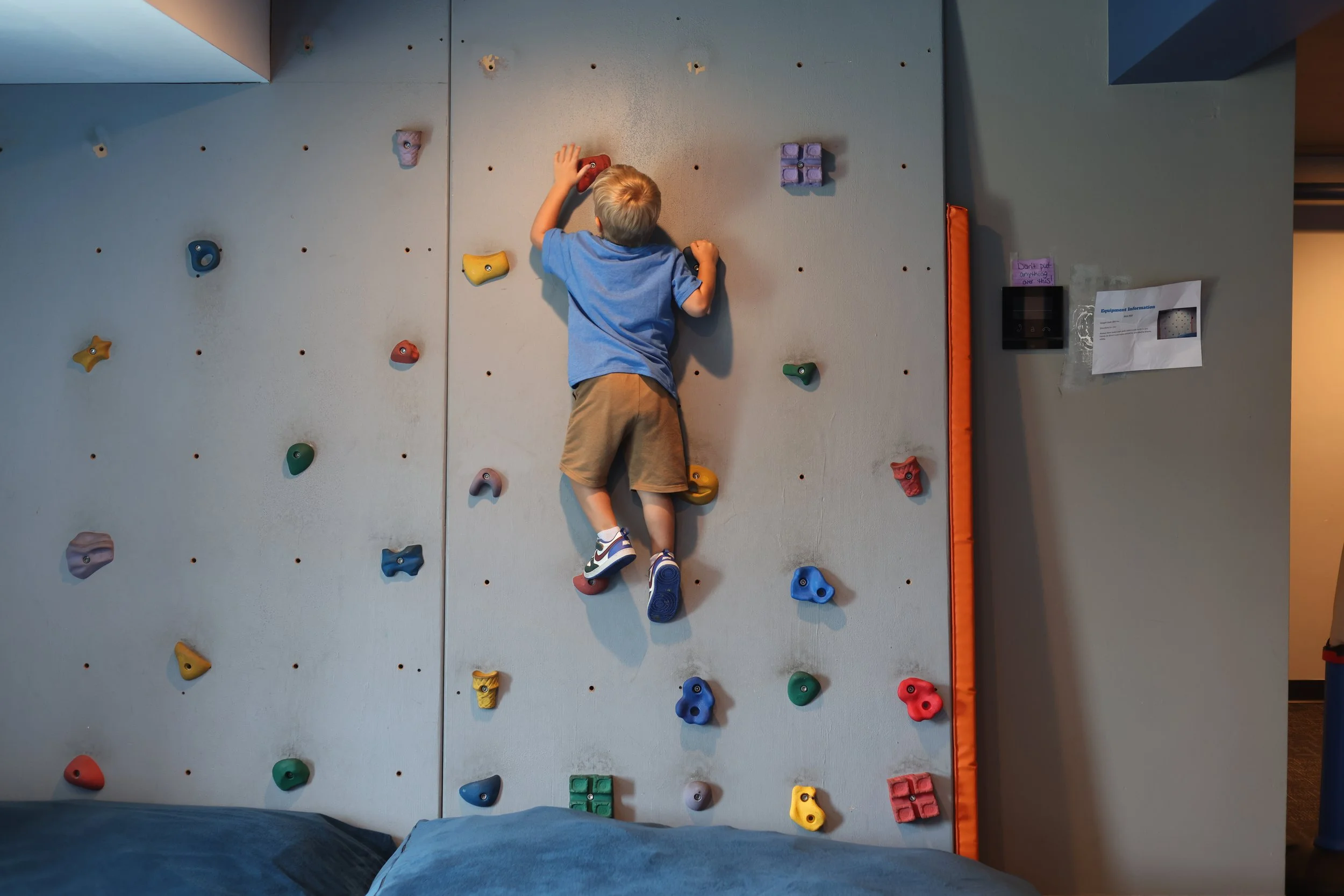
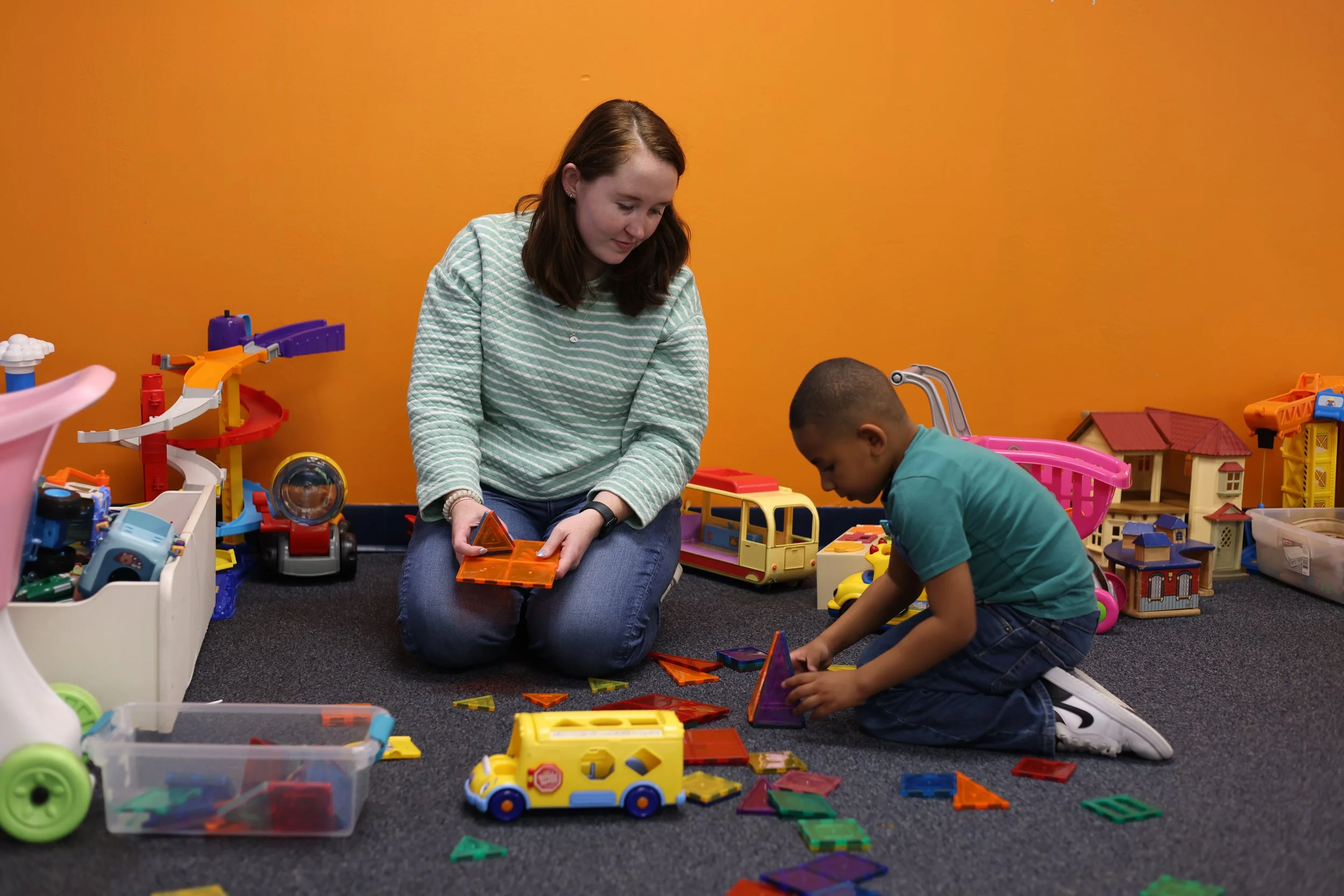
Learning through play is at the heart of our approach. We create interactive, enjoyable learning experiences that keep children engaged and motivated. Whether it's teaching a child to communicate, play with peers, or complete daily routines, we make it fun!
-
Every child is unique. We tailor our therapy to meet the individual needs of each child and focus on areas that matter most for them—whether it’s communication, behavior regulation, social skills, or all of the above! And if their needs change, we’ll be there to adjust their programming as needed.
-
We view parents and caregivers as essential partners in therapy. Our BCBAs work closely with families to ensure that skills learned during sessions are reinforced and carried over into daily life, at home and in the community.
-
We use ABA strategies that are grounded in research and proven to produce meaningful outcomes. We use Natural Environment Teaching (NET), Discrete Trial Teaching (DTT), and a Verbal Behavior (VB) approach, along with other contemporary methods that focus on functional skills in the context of everyday routines and activities.
What Can ABA Do for Your Child?
Communication & Language Development
Communication is the basis of all of our daily interactions and is an essential building block for other, more complex skills. It can help us to get our needs met, share our desires, and build relationships. We support children in developing the ability to express themselves effectively—whether through spoken language, gestures, visual supports, or assistive devices. We approach teaching language through the lens of Verbal Behavior (VB), focusing on function and connecting communication with its purpose.
Social Interaction
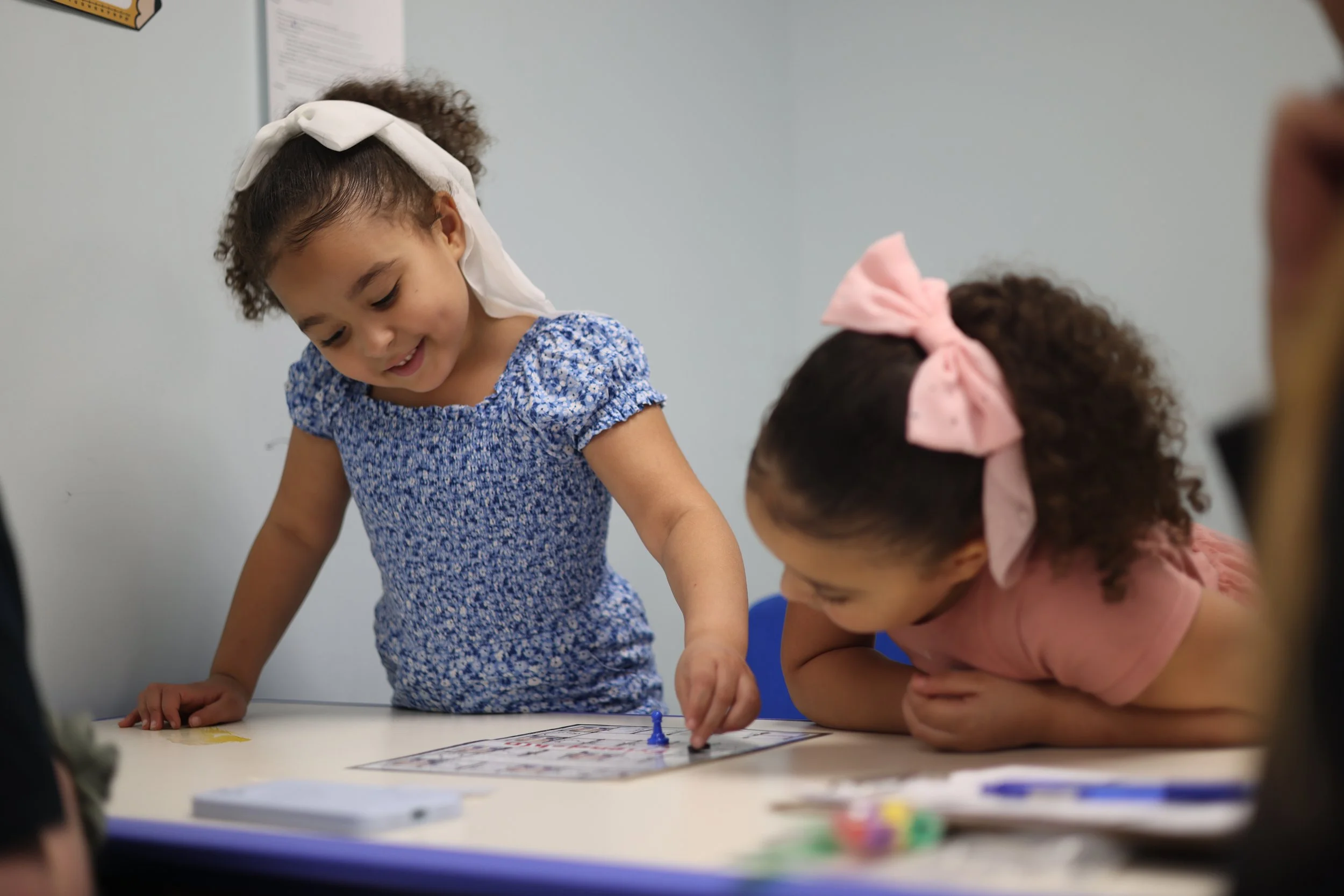
The ability to interact appropriate with peers becomes an essential skill as children get older and prepare to transition to a school setting. At BBLC, social skills are taught through both structured and naturally occurring peer interactions. Using a child-led, relationship-based approach, we guide children in forming comfortable and authentic connections. Our work includes helping them initiate interactions, share attention, take turns, and respond to others in ways that feel safe and rewarding.
Daily Living & Self-Care
By embedding learning into daily routines, we are able to promote independence in self-care routines such as toilet training, dressing, self-feeding, hygiene, and other daily tasks. These skills are introduced in a developmentally appropriate way and practiced throughout the day during naturally-occurring opportunities. Consistent practice fosters both skill and confidence. We prioritize the goals and preferences of each family, ensuring our approach reflects the child’s needs and their family’s values.
Play & Discovery
Children often learn about the world through play. Our therapists use guided play to teach children new ways to engage with their surroundings. We expand skills from simple exploration to cooperative and imaginative play, promoting curiosity, adaptability, and independence. These skills are practiced both in one-on-one and with peers.
Foundational Learning Skills
We strengthen key skill areas that prepare children for formal learning environments. These include sustaining attention, following directions, learning in a group format, completing tasks, and developing early problem-solving abilities.
Executive Functioning
We build cognitive flexibility, self-monitoring, impulse control, and memory skills—capacities that are essential for academic learning, daily problem-solving, and navigating social situations.
Family Collaboration & Support
We recognize the central role caregivers play in a child’s development. While we are experts in ABA, parents and caregivers are the experts on their child. Our team works closely with families to share effective strategies, foster confidence, and ensure progress continues well beyond sessions.
Emotional Awareness & Regulation
The awareness and regulation of our own emotions is an essential life skill for everyone. We help children learn to identify their own emotions and recognize those of others. With supportive modeling and practice, they learn to manage big feelings and respond to challenges with appropriate coping strategies.
Safety & Behavior Support
When behaviors place a child or others at risk, we focus on understanding their purpose - we call this the function of the behavior. We then teach alternative actions that are safer and more effective in meeting their needs, while preserving the child’s dignity and autonomy.
Sensory Participation
With sensitivity to your child’s sensory needs, we promote engagement in activities that may otherwise feel overwhelming. Our team helps build tolerance, supports regulation, and increases comfort in varied environments.
Meet Your Team
Clinical Director
What They Do:
Provide leadership and quality oversight of all programs
Ensure services meet clinical standards and ethical guidelines
Supervise and support BCBAs
Monitor progress across clients and teams
May participate in parent meetings or review programming when needed
Your director ensures your child’s care stays on track and is high quality.

Board Certified Behavior Analyst (BCBA)
What They Do:
Conduct assessments and create treatment plan goals
Develop behavior interventions and skill-building programs
Provide training and ongoing supervision to RBTs
Collect and analyze data to guide progress
Meet with families regularly to review progress and provide coaching
Your BCBA is your clinical contact and the architect of your child’s treatment plan.

Registered Behavior Technician
What They Do:
Work one-on-one with your child each session
Build positive relationships to support learning
Implement the BCBA’s treatment plan
Collect daily data on skills and behavior
Share session updates with families and the team
Your RBT is the friendly face your child sees most often—teaching, supporting, and celebrating every small win.

You Are Part of the Team, Too!
We believe that families are essential members of the team. Your insights, goals, and feedback help shape your child’s therapy. We encourage open communication and collaboration every step of the way.