

Exploring the Field of ABA
Grow with Purpose
At Boston Behavior Learning Centers (BBLC), we believe in the transformative power of Applied Behavior Analysis (ABA) to help children thrive. Whether you’re just starting out in the field of ABA or looking to advance your career, BBLC is dedicated to fostering an environment where growth, collaboration, and excellence in care are the cornerstones of everything we do.
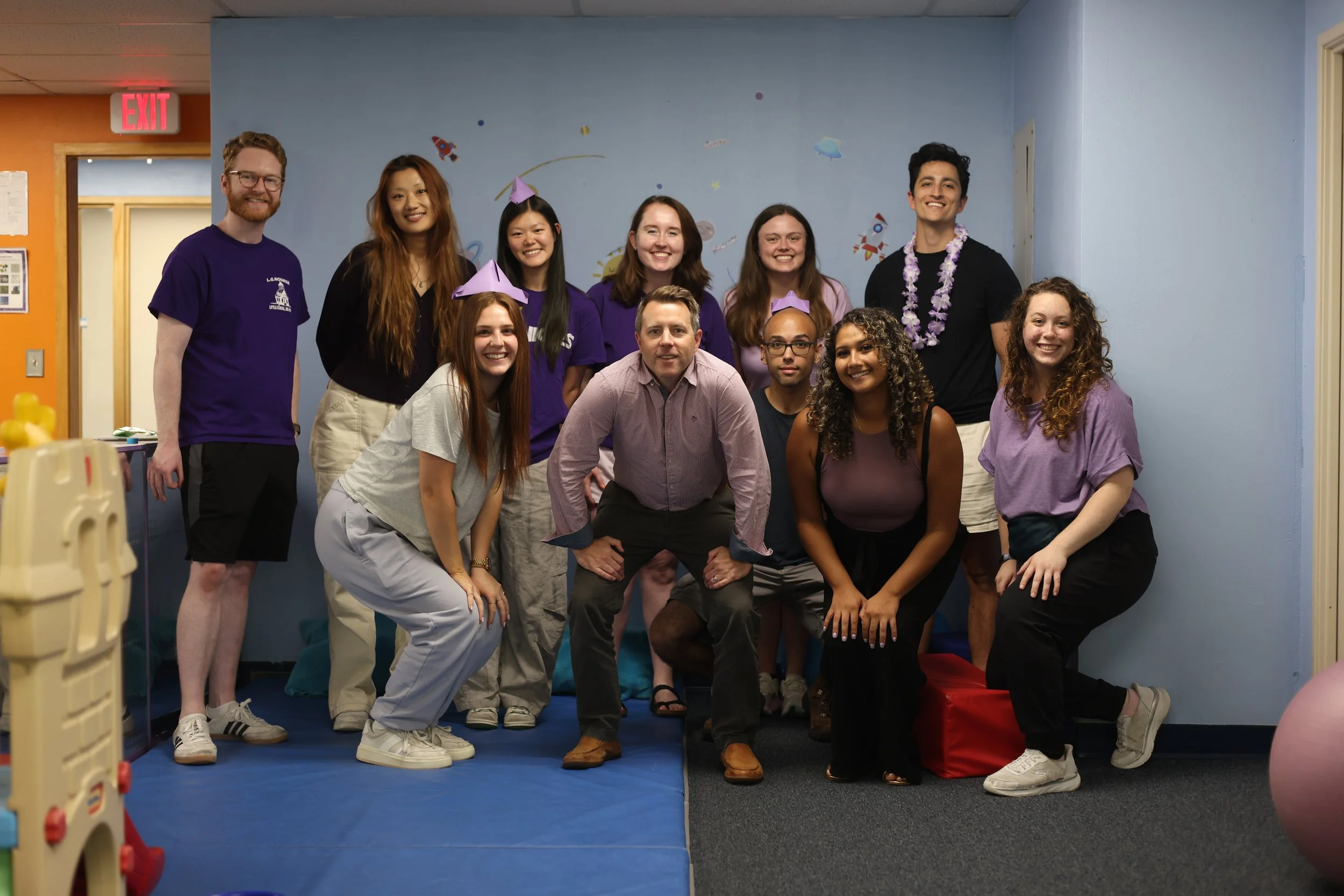
Core Clinical Roles
-
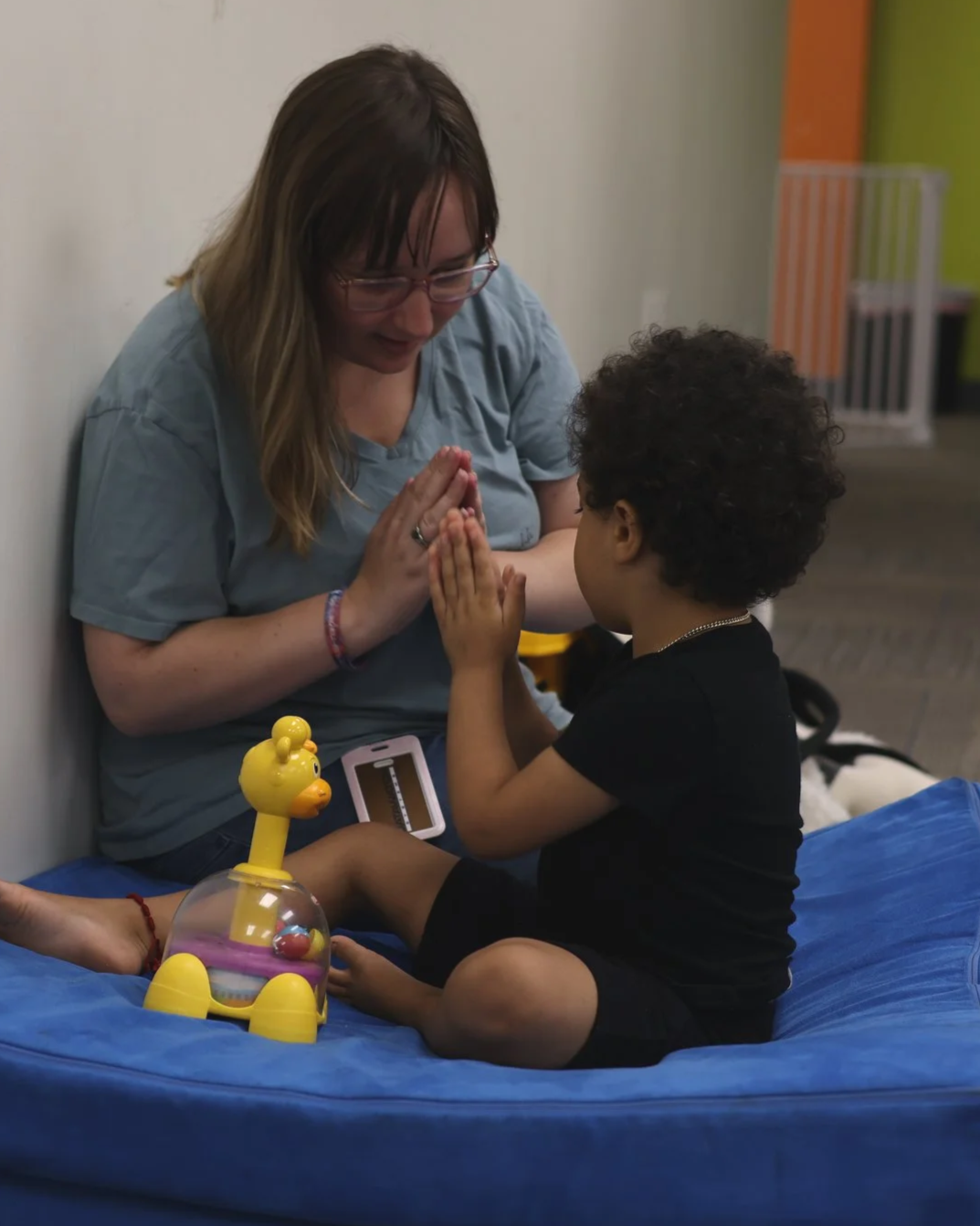
Registered Behavior Technician
RBTs work directly with clients to implement individualized treatment plans and build meaningful, measurable progress every day.
-
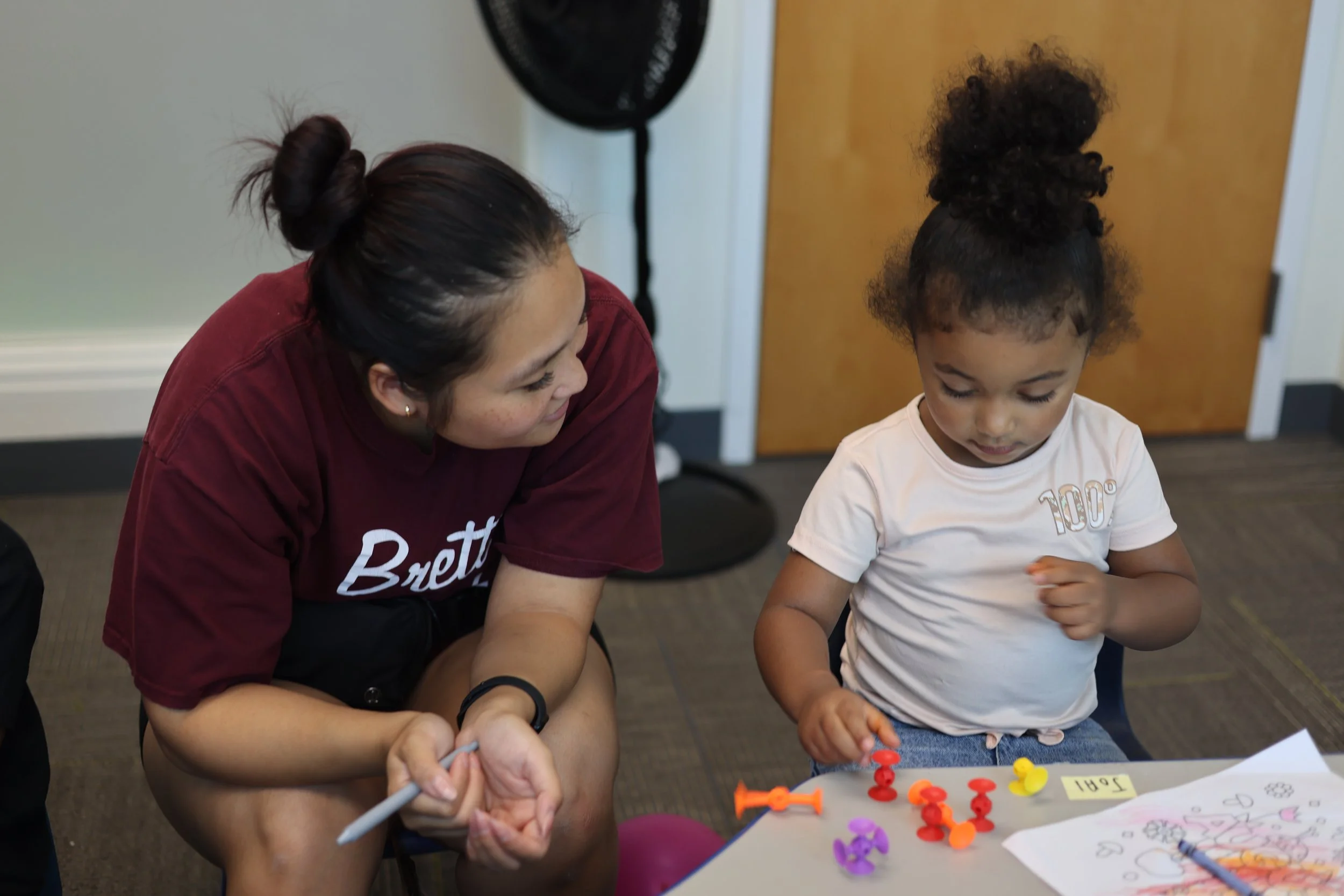
Lead RBT
Lead RBTs also help with administrative tasks such as training, mentoring, programming, etc. They help foster a culture of consistency, collaboration, and growth.
-

Behavior Analyst in Training
As graduate students working toward BCBA certification, BITs gain hands-on experience, receive close supervision, and support clinical teams as they build strong clinical expertise.
-
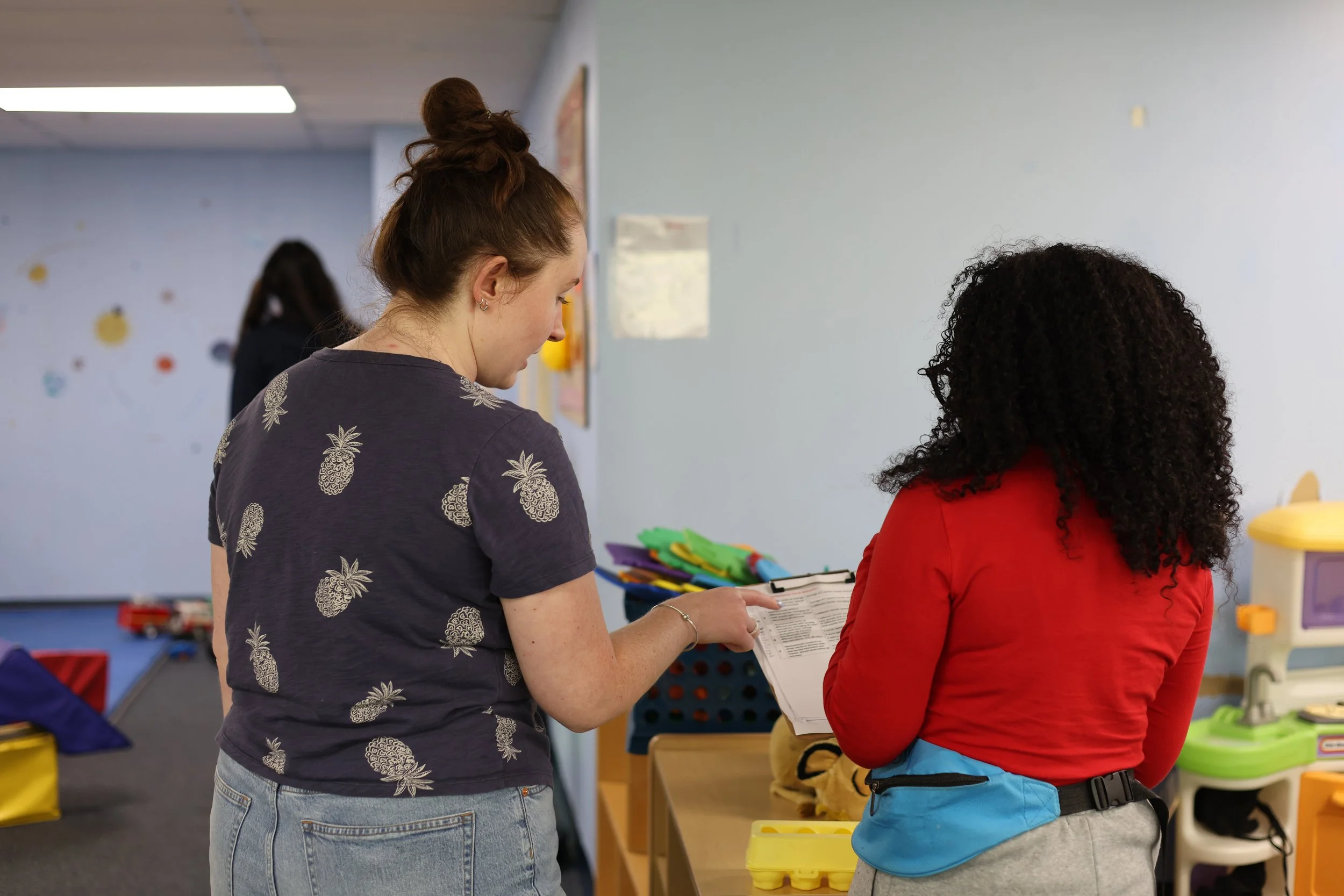
Board Certified Behavior Analyst
BCBAs assess, design, and oversee treatment plans for clients on their caseload, providing clinical leadership that drives real, lasting outcomes.
-
Assistant Clinical Director
Assistant Clinical Directors are experienced BCBAs who take on leadership responsibilities while maintaining a smaller caseload of clients. They help oversee team operations, mentor staff, and support quality assurance efforts.
-
Clinical Director
Clinical Directors are senior leaders who supervise multiple teams and ensure clinical excellence across the center. They oversee program quality, staff development, and regulatory compliance, playing a key role in guiding the organization’s mission and vision.
Beyond the Clinic: Sadie’s Story
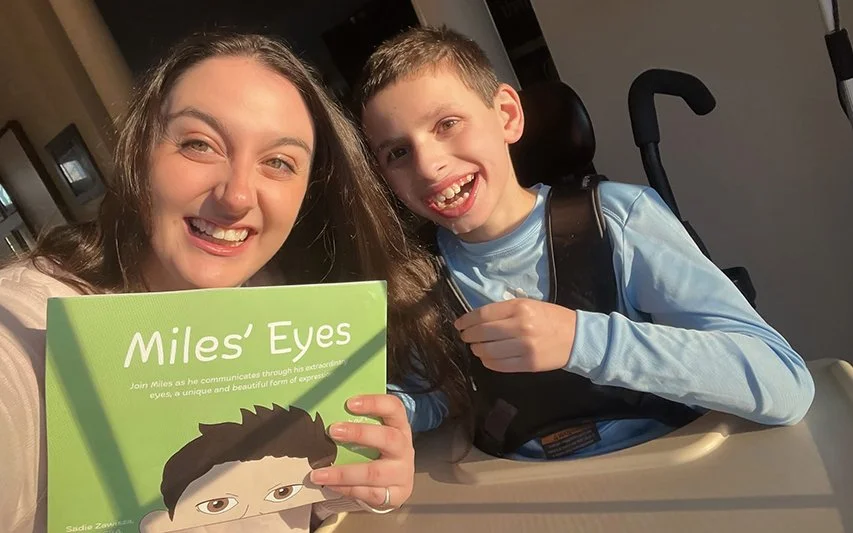
At BBLC, we believe that the field of ABA is more than a career—it is a calling. Sadie, one of our incredible BCBAs, embodies that spirit both in and out of session. Inspired by her work and her personal experience as a caregiver, Sadie authored Miles’ Eyes, a heartfelt children’s book about friendship, inclusion, and the beauty of communicating in unique ways. We are honored to celebrate her work and the impact she has on our community.
Through Miles’ story, readers are reminded that differences are something to celebrate, and that the most meaningful connections often do not require words at all. It is a message that mirrors the values Sadie brings to her work with children every day and aligns with the compassion and respect we strive to show each child at BBLC.
“This book is not just a story—it’s a tool to help kids understand that being different is beautiful,” Sadie says. “It’s a reflection of everything I believe as a BCBA and caregiver.”
Miles’ Eyes is a must-read for families, educators, and anyone passionate about creating a more inclusive world—one story at a time.
“So remember dear children, when you see someone new,
Whose way might be different, from me or from you…
Look past the outside, into their heart’s core,
And you might discover, much, much more.”
– Sadie Zawisza, BCBA, South Region Clinical Team
Building Clinical Expertise Through ABA
Applied Behavior Analysis is one of the few fields where you can gain hands-on clinical experience without an advanced degree or certification. Working as a Behavior Technician (BT) provides foundational skills that are valuable across a wide range of careers in healthcare, education, and behavioral sciences. Whether you are exploring the helping professions or building toward a specific clinical path, working in ABA develops real-world skills that stand out to future employers and graduate programs:
-
Learn how to collect, track, and interpret behavioral data to measure progress and guide treatment decisions.
-
Practice accurate, professional clinical documentation that mirrors the standards used across healthcare and mental health settings.
-
Gain firsthand experience executing evidence-based interventions and adapting to individualized treatment plans.
-
Work closely with clinical supervisors, families, and interdisciplinary teams to achieve shared goals.
-
Build confidence supporting children with autism and developmental differences in both structured and natural settings.